Orthotics: What Are They, and Do You Actually Need Them
Orthotics can help reduce foot pain by changing how load moves through your feet. Learn how they work, who they may help, and what the process involves.
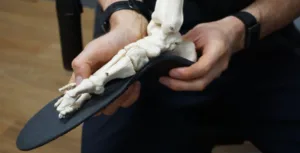
Orthotics are often explained in a way that makes them sound more complicated than they need to be. At their simplest, they are inserts that sit inside your shoes and help change how load moves through your foot.
That does not mean they “fix” your feet. It also does not mean everyone with flat feet, heel pain or sore knees needs them. The more useful question is: “would changing the way your foot is loaded help your symptoms or make movement more comfortable?”
For some people, the answer is yes.
What do orthotics actually do?
Orthotics can help by supporting certain parts of the foot, cushioning sensitive areas, or shifting pressure away from irritated tissue.
For example, someone with heel pain may benefit from reducing load through the plantar fascia. Someone with forefoot pain may need pressure moved away from a sore area under the ball of the foot. A runner, tradie or office worker may each need something slightly different, because their shoes and daily loads are different.
This is why good orthotics are not just about the shape of your arch. They are about your symptoms, your footwear, your walking or running pattern, and what you need your feet to tolerate day to day.
What happens during an orthotics assessment?
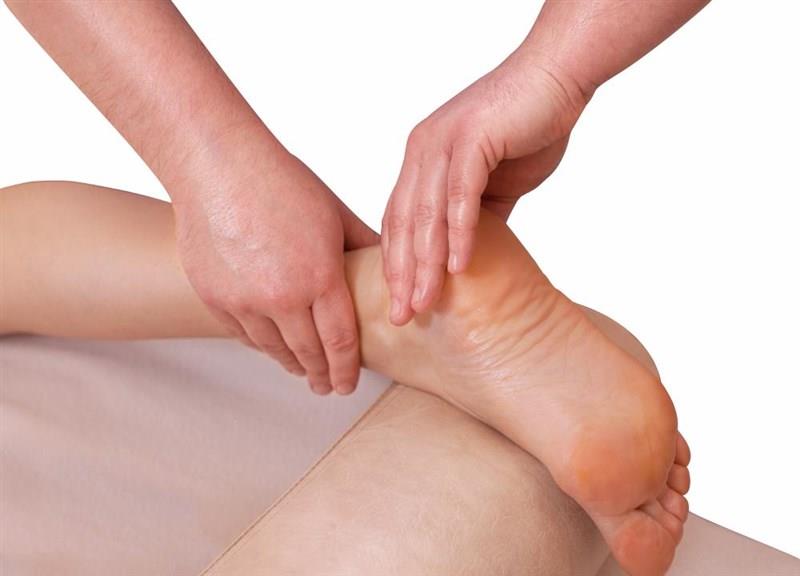
The process usually starts with a Podiatry assessment. Your Podiatrist will ask about your pain, activity levels, footwear, work demands and goals.
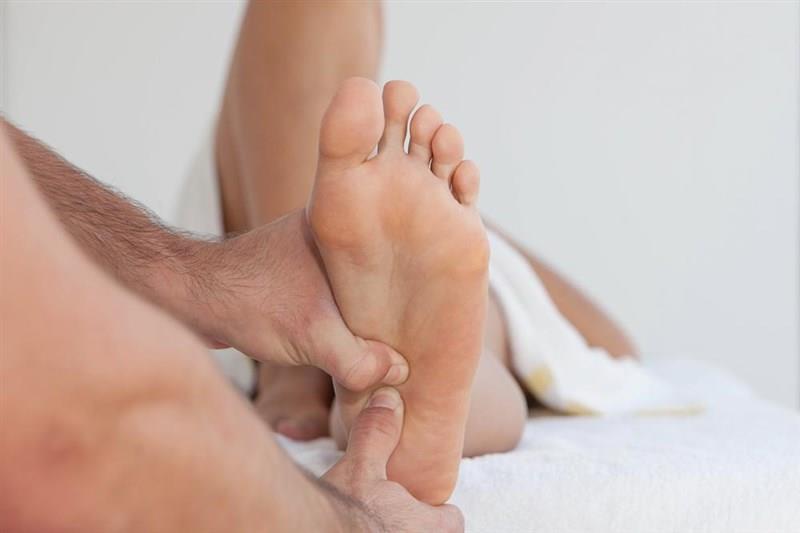
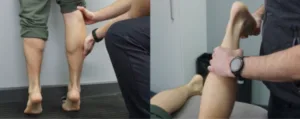
They may assess your foot and ankle movement, strength, foot posture, and how your hips, knees and ankles contribute to the way you move.
Gait analysis may also be used to look at how you walk or run under body weight. This can help identify where pressure or load may be contributing to the problem.
How are custom orthotics made?
If custom orthotics are appropriate, your foot can be scanned digitally or moulded so the device can be made to suit you.
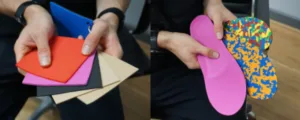
From there, the orthotic design is based on your foot shape, symptoms, footwear and the goal of treatment. Some orthotics are designed more for cushioning. Others are designed to provide firmer support or help offload a particular area.
The key point is that the design should match the person. Different feet, different shoes and different problems often need different solutions.
What happens when you get them fitted?
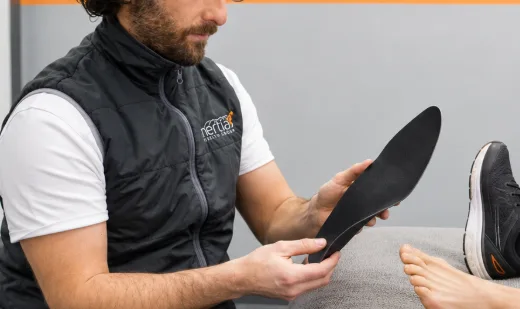
Once made, the orthotics are fitted to your shoes. This step matters.
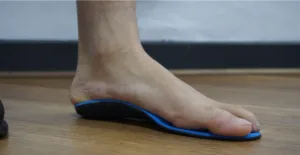
An orthotic that does not fit your actual footwear is unlikely to be useful in real life. Bringing in the shoes you wear most often helps make sure the device is comfortable, practical and doing what it was designed to do.
Sometimes small adjustments are needed after you start wearing them. That is normal. Comfort, shoe fit and symptom response all matter.
Are orthotics a long-term fix?
While they might feel like it sometimes, Orthotics aren’t a magic fix to all problems.
Research supports their use for some conditions, including plantar heel pain, but the evidence is mixed and they are usually best used as part of a broader plan. That plan may include footwear advice, strengthening exercises, stretching, activity modification or gradual return to sport and work.
The goal is not to make you dependent on an insert forever. The goal is to help your foot and lower limbs tolerate load better, reduce symptoms where possible, and keep you moving.
The takeaway…
Orthotics can be helpful when they are prescribed for the right person, for the right reason, and fitted to the right footwear.
If foot pain is limiting your walking, work, training or day-to-day comfort, an assessment can help determine whether orthotics are likely to be useful for you.
If you’d like advice tailored to your feet, your shoes and your goals, our Podiatry team is here to help.
Written by
Kris Marinos
Podiatrist
Bachelor of Podiatry
University of South Australia
Angus Szajer
Physiotherapist
Bachelor of Physiotherapy
University of South Australia
References:
Koc, T.A. Jr, Bise, C.G., Neville, C., Carreira, D., Martin, R.L. and McDonough, C.M., 2023. Heel Pain, Plantar Fasciitis: Revision 2023. Journal of Orthopaedic & Sports Physical Therapy, 53(12), pp.CPG1 to CPG39.
Rasenberg, N., Riel, H., Rathleff, M.S., Bierma-Zeinstra, S.M.A., van Middelkoop, M. and Oei, E.H.G., 2018. Efficacy of foot orthoses for the treatment of plantar heel pain: a systematic review and meta-analysis. British Journal of Sports Medicine, 52(16), pp.1040 to 1046.
Whittaker, G.A., Munteanu, S.E., Menz, H.B., Tan, J.M., Rabusin, C.L. and Landorf, K.B., 2018. Foot orthoses for plantar heel pain: a systematic review and meta-analysis. British Journal of Sports Medicine, 52(5), pp.322 to 328.