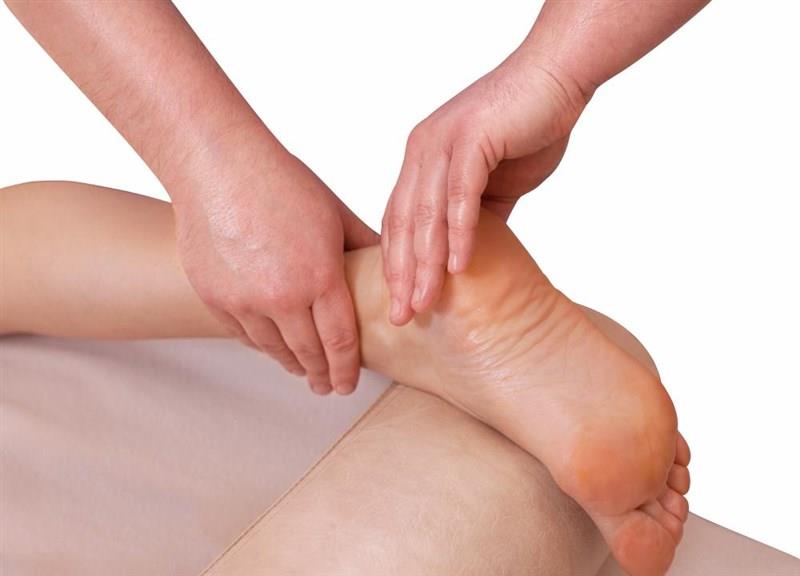
If you have a new injury or acute pain, your first port of call is usually a Physiotherapist. They will diagnose the problem and use hands-on treatment to reduce pain and exercises to get you moving again. Exercise Physiologists are great at assisting once things have quieted down. Depending on your goals and the necessary rehabilitation process an Exercise Physiologist alongside your Physiotherapists can progress your rehabilitation utilising structured, progressive exercise programmes to rebuild strength, manage chronic conditions and reduce the likelihood of the problem returning. A lot of people do well with both, as part of a single coordinated team rehabilitation approach
Why the Confusion?
Physiotherapy and Exercise Physiology sit under the same allied health umbrella, and both professions use exercise as part of treatment. It’s no surprise the two get mixed up, especially since many clinics, including Inertia Health Group, offer both services under one roof.
The truth is, they’re distinct professions with different training, different scopes of practice, and different roles in your recovery or health journey. Understanding the difference can help you get to the right practitioner faster and get more out of your treatment.
What Does a Physiotherapist Do?
A Physiotherapist is trained to assess, diagnose, and treat problems affecting movement and physical function. This includes acute & sub acute injuries, post-surgical recovery, chronic pain, and neurological conditions. Physiotherapists use a combination of hands-on techniques, such as joint mobilisation / manipulation,soft tissue work and dry needling, alongside education and therapeutic exercise prescription to achieve results.
Physiotherapy is usually the first point of contact when something goes wrong. If you’ve rolled your ankle, strained your back, or had surgery, a Physiotherapist can properly assess what’s happening and begin treatment straight away, often within the same appointment.
What Does an Exercise Physiologist Do?
An Accredited Exercise Physiologist (AEP) is a university-qualified allied health professional who specialises in prescribing clinical exercise interventions for people managing injuries, chronic disease, or complex health conditions. Rather than hands-on manual therapy, an exercise physiologist’s main therapeutic tool is a carefully designed, progressive exercise program.
Exercise physiologists commonly work with people managing conditions like diabetes, heart disease, arthritis, and osteoporosis, as well as those recovering from injury or surgery who are ready to build strength and capacity. They also have a large part to play in assisting people managing many types of neurological injuries and conditions as well as cancer care management and those affected by psychological disorders. Exercise Physiologists also have a large part to play in the return to work process or people requiring work hardening programs after a work injury or a motor vehicle accident. Programs are based on an initial assessment and adjusted over time as functional improvements are noted.
Physiotherapy vs Exercise Physiology: A Side-by-Side Comparison
Here’s a simple breakdown of how the two professions typically differ in practice.
| Aspect | Physiotherapist | Exercise Physiologist |
| Main approach | Acute management: Diagnosis, Hands-on manual therapy, pain alleviation, diagnosis, and guided exercise programming | Structured, progressive exercise programs based on individual condition assessments |
| Best suited to | New injuries, acute pain, and diagnosis. Also as significant in chronic injury management | Chronic conditions, ongoing rehab, and building capacity |
| Typical stage of care | Early or acute phase. Chronic Stages depending on types of conditions. | Sub-acute through to long-term management |
| Session focus | Manual treatment plus targeted exercise. Gym based as time progresses based on the condition | Individually prescribed, progressive exercise plans for gym, pilates or home care. |
| Common presentations | Sprains, strains, headaches back pain, post-surgical recovery, neurological conditions | Diabetes, heart disease, arthritis, osteoporosis, mental health |
Do You Need a Physiotherapist, an Exercise Physiologist, or Both?
A helpful way to think about it: Physiotherapy often deals with the why, pain relief the what now of an injury or condition, while exercise physiology may deal with the what next.
Many people move between the two as part of a single journey. For example, someone recovering from knee surgery might see a Physiotherapist in the early weeks for pain management and hands-on care and restoration of function then transition to an Exercise Physiologist to over see the later stages of rehabilitation & rebuild strength and return safely to sport or daily activity in coordination with the Physio’s input too.
At Inertia Health Group, our collaborative care model means our Physiotherapists and Exercise Physiologists work closely together, with your consent, so your treatment stays coordinated from the first appointment through to long-term management.
Frequently Asked Questions
Can an exercise physiologist diagnose an injury?
Exercise Physiologists don’t typically diagnose new injuries in the way a Physiotherapist or doctor does. If you have a new or undiagnosed injury, it’s best to see a Physiotherapist or GP first, who may then refer you on for Exercise Physiology once a diagnosis and an initial management plan are in place.
Do I need a referral to see an Exercise Physiologist?
In many cases, no referral is required to book directly with an exercise physiologist. If you’re hoping to claim through NDIS, DVA, Medicare, or a workplace scheme, you will require an appropriate referral..
Is an Exercise Physiologist the same as a personal trainer?
No. Exercise physiologists complete a university degree and are trained to work with clinical populations, including people with chronic disease, injury, or complex medical histories. Personal trainers are not qualified to work with these presentations in the same clinical capacity.
Can Physiotherapy and Exercise Physiology be used together?
Yes, and this is very common. Many people see a Physiotherapist for hands-on treatment and diagnosis, then work with an Exercise Physiologist to build long-term strength and prevent recurrence, often with both practitioners communicating as part of the same care plan.
Which is better for chronic pain?
Depends on where you are. Physiotherapy can be helpful in managing flare-ups and providing hands-on relief of symptoms, while Exercise Physiology is about assisting in building strength and capacity over time, which can reduce the frequency and severity of flare-ups in the long term, the coordination of the two are critical for long term benefits
What conditions do Exercise Physiologists commonly treat?
Exercise Physiologists work with people with cardiovascular disease, metabolic diseases, arthritis, osteoporosis, neurological conditions, mental health issues or general musculoskeletal problems, or people wanting to achieve performance or return-to-work goals.
How do I know when to move from Physiotherapy to Exercise Physiology?
Your Physiotherapist will usually guide this transition once your acute symptoms have settled and you’re ready to focus on the next stage of rehabilitation: building strength, capacity, and independence. If you’re unsure, ask your treating practitioner or contact our team, and we can help point you in the right direction.
The Bottom Line
Physiotherapy and Exercise Physiology are not competing services and disciplines but complementary. Physiotherapists are the go-to for diagnosing and treating a new injury or flare-up. Exercise Physiologists help you build the strength and resilience to stay well long-term.
If you’re not sure which service is right for you, our team at Inertia Health Group can help guide you towards the right practitioner for your goals and health history.