
Regular exerc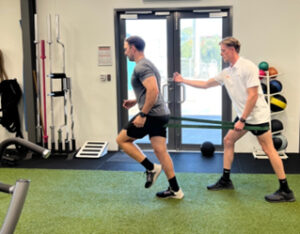 ise is widely recognized as a critical component of a healthy lifestyle. It can help improve cardiovascular health, boost mood, increase muscle strength, and maintain a healthy weight. But have you ever wondered how exercise works on a physiological level to deliver these benefits? That’s where the field of exercise physiology comes into play. In this article, we’ll explore the fascinating world of exercise physiology and how it can help people achieve optimal health.
What is exercise physiology?
Exercise physiology as a science is the scientific study of how the body responds and adapts to physical activity. It delves into the intricate mechanisms within the body during exercise, including changes in heart rate, blood pressure, oxygen consumption, and muscle function. Exercise physiologists use their expertise to design exercise programs tailored to individuals’ specific needs and goals, whether improving athletic performance, managing chronic diseases, or enhancing overall health and well-being.
Unlocking the Benefits of Exercise Physiology
- Improved Cardiovascular Health: Regular exercise has been shown to impact cardiovascular health profoundly. Exercise increases heart rate, strengthens the heart muscle, and improves efficiency. It also helps to lower blood pressure and reduce LDL (low-density lipoprotein) cholesterol levels, commonly known as “bad” cholesterol. These physiological changes can reduce the risk of developing heart disease, stroke, and other cardiovascular conditions.
- Enhanced Metabolic Function: Exercise significantly impacts metabolism, the process by
 which the body converts food into energy. During exercise, the body burns calories, which can help with weight management and weight loss. Regular exercise can also improve insulin sensitivity, allowing the body to regulate better blood sugar levels, which is crucial in managing and preventing diabetes.
- Increased Muscle Strength and Endurance: Exercise physiology focuses on optimizing muscle function, which is crucial for overall physical performance. Exercise helps to build and maintain muscle mass, increase muscle strength, and improve muscle endurance. This can lead to better performance in sports and other physical activities and enhanced daily functional abilities.
- Enhanced Mental Health: Exercise has been proven to impact mental health positively. Regular physical activity can reduce stress, anxiety, and depression while boosting mood and well-being. Exercise stimulates the production of endorphins, often called the “feel-good” hormones, and can improve cognitive function, memory, and sleep quality.
- Better Bone Health: Exercise physiology also addresses bone health, which is crucial for overall physical function and mobility. Weight-bearing exercises, such as walking, jogging, and resistance training, can help strengthen bones and reduce the risk of osteoporosis, a condition characterized by weak and brittle bones.
How Exercise Physiologists Can Help
Exercise physiologists are experts in designing safe and effective exercise programs tailored to an individual’s needs, goals, and health conditions. They consider age, fitness level, health history, and personal preferences to create customized exercise plans. Exercise physiologists can work with people of all ages and fitness levels, from athletes looking to improve their performance to individuals with chronic conditions such as obesity, diabetes, or cardiovascular disease.
Exercise physiologists also provide education and guidance on proper exercise techniques, nutrition, and lifestyle modifications to support overall health and well-being. They monitor progress, adjust exercise programmes as needed, and provide motivation and support to help individuals stay on track and achieve their goals.
In conclusion, exercise physiology is a multidisciplinary field that plays a critical role in unlocking the benefits of exercise for optimal health. Whether you are an athlete looking to enhance performance, someone managing a chronic condition, or simply seeking to improve your overall well-being, consulting with an exercise physiologist could immensely benefit you!