 Traumatic brain injury (TBI) can be life-threatening due to accidents, falls, sports injuries, and violent assaults. TBI can result in various physical, cognitive, and emotional impairments, such as loss of balance, memory loss, speech difficulties, mood fluctuations, and disorders such as depression and anxiety. Fortunately, various treatments and rehabilitation strategies are available to help patients recover from TBI. One of the most promising approaches is Exercise Physiology, which involves physical activity and exercise to improve overall health, function, and well-being. In this article, we will explore the role of exercise physiology in TBI rehabilitation and discuss its benefits, challenges, and best practices.
Table of Contents
- Introduction
- Understanding Traumatic Brain Injury
- Types and Symptoms of Traumatic Brain Injury
- Diagnosis and Treatment of Traumatic Brain Injury
- Overview of Exercise Physiology
- Benefits of Exercise Physiology in TBI Rehabilitation
- Challenges of Exercise Physiology in TBI Rehabilitation
- Best Practises for Exercise Physiology in TBI Rehabilitation
- Examples of Exercise Physiology Interventions in TBI Rehabilitation
- Conclusion
- FAQs
1. Introduction to Traumatic Brain Injury
Traumatic brain injury is a severe medical condition affecting millions worldwide. It can result in a range of physical, cognitive, and emotional symptoms that can significantly impact the quality of life of patients and their families. While there is no cure for TBI, various treatments and rehabilitation strategies are available to help patients recover and regain function. One of the most promising approaches is exercise physiology, which involves physical activity and exercise to improve health, processes, and well-being.
2. Understanding Traumatic Brain Injury
Traumatic brain injury refers to damage to the brain caused by an external force, such as a blow or jolt to the head or a penetrating object. TBI can result in various physical, cognitive, and emotional impairments, such as loss of consciousness, confusion, headache, dizziness, nausea, vomiting, seizures, cognitive deficits, emotional instability, and behavioural changes. The severity of TBI can range from mild, such as a concussion, to severe, such as a penetrating head injury. An individual with severe TBI can have no movement or communication capabilities and likely require 24/7 care. The most common causes of TBI in Australia are motor vehicle accidents, falls, or assaults.
3. Types and Symptoms of Traumatic Brain Injury
There are several types of traumatic brain injury, ranging in severity and long-term prognosis, including:
Concussion: a mild TBI that typically resolves within a few days to a few weeks
Contusion: a bruise on the brain that can cause swelling and bleeding
Coup-contrecoup: a TBI that occurs when the brain is bruised on both sides of the brain, often due to a whiplash injury
Diffuse axonal: a TBI that occurs when the brain is shaken or rotated, causing tearing of the brain tissue.
The symptoms of TBI can vary depending on the severity and location of the injury. Some common symptoms of TBI include:
loss of consciousness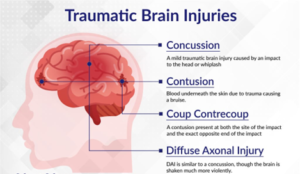
– Confusion
– Headache
– Dizziness
– Nausea
– Vomiting
– Seizures
Cognitive deficits
Emotional instability
behavioural changes
4. Diagnosis and Treatment of Traumatic Brain Injury
The diagnosis of TBI typically involves a physical exam, imaging tests, and cognitive tests. Treatment of TBI depends on the severity of the injury and may include medications, surgery, rehabilitation, and supportive care. Rehabilitation is crucial in helping patients recover from TBI and regain function. Repair may include physiotherapy, exercise physiology, occupational therapy, speech therapy, and cognitive therapy.
5. Overview of Exercise Physiology
Exercise physiology is a branch of allied health that focuses on how the body responds to physical activity and exercise. Exercise physiology examines the effects of exercise on the body’s systems, including the cardiovascular, respiratory, and musculoskeletal systems. Exercise physiology also studies the impact of training on various health outcomes, such as fitness, strength, endurance, and body composition.
6. Benefits of Exercise Physiology in TBI Rehabilitation
Exercise physiology input has many potential benefits for TBI rehabilitation. Some of the benefits of exercise physiology in TBI rehabilitation include:
Improved cardiovascular function
increased muscle strength and endurance
Improved balance and coordination
reduced risk of falls
improved cognitive function
improved mood and emotional well-being
improved quality of life
Exercise physiology can also help reduce the risk of other health problems due to TBI, such as obesity, diabetes, and cardiovascular disease.
7. Challenges of Exercise Physiology in TBI Rehabilitation
While exercise physiology input has many potential benefits for TBI rehabilitation, several challenges must be overcome. Some of the challenges of exercise physiology treatment in TBI rehabilitation include:
Physical limitations: Patients with TBI may have physical limitations that make exercise challenging or impossible. It is the challenge for the exercise physiologist to construct appropriate, engaging plans for the patient to improve their overall functional capacity across a spectrum of body systems.
Cognitive Challenges Patients with TBI may have cognitive deficits that make it difficult to understand and follow exercise instructions. The exercise physiologist can work with the individual to try to increase engagement in treatment and target a variety of task-oriented exercises that can be utilized to improve the patient’s condition.
Emotional concerns: Patients with TBI may have fluctuating emotional patterns, such as depression or anxiety, making engaging in exercise difficult due to motivational issues and low drive. The exercise physiologist can work with the individual to improve engagement and motivation.
8. Best Practises for Exercise Physiology in TBI Rehabilitation
Exercise physiologists must follow best practices to overcome these challenges and optimize the benefits of exercise physiology in TBI rehabilitation. Some of the best practices for exercise physiology in TBI rehabilitation include:
Individualized approach: Exercise programmes should be tailored to the individual needs and abilities of each patient.
Multidisciplinary team: Exercise and rehabilitation programmes should involve an interdisciplinary team of healthcare professionals, including physiatrists, physiotherapists, occupational therapists, exercise physiologists, and speech therapists.
Goal setting: Exercise programmes should include clear and measurable goals aligned with the patient’s rehabilitation goals.
Progressive overload: Exercise programmes should gradually increase intensity and duration to prevent injury and promote adaptation and improvement.
Feedback and reinforcement: Patients should receive regular feedback through objective measurements and support to help them stay motivated and engaged in the exercise programme.
9. Examples of Exercise Physiology Interventions in TBI Rehabilitation
Many different types of exercise physiology interventions can be used in TBI rehabilitation. Some examples of exercise physiology interventions in TBI rehabilitation include:
Aerobic exercise: Walking, cycling, or swimming can improve cardiovascular function and endurance.
Resistance training: Weightlifting or resistance band exercises can improve muscle strength and endurance.
Balance training: Activities such as standing on one leg or walking on uneven surfaces and walking challenge courses can improve balance and coordination.
Yoga or tai chi: Activities like yoga or tai chi can improve flexibility, balance, and relaxation.
Cognitive training: Memory games or problem-solving tasks can improve cognitive function.
10. Conclusion
Exercise physiology has many potential benefits for TBI rehabilitation. It can improve cardiovascular function, increase muscle strength and endurance, improve balance and coordination, reduce the risk of falls, improve cognitive function, and improve mood and emotional well-being. However, some challenges must be overcome, such as physical limitations, cognitive deficits, emotional issues, and a lack of motivation. To optimize the benefits of exercise physiology in TBI rehabilitation, it is essential to follow best practices, such as an individualized approach, a multidisciplinary team, goal setting, progressive overload, and feedback and reinforcement.
11. Frequently Asked Questions?
Can exercise physiology help with TBI recovery?
Exercise physiology can play a significant role in TBI recovery. Exercise can improve various aspects of physical and cognitive function, including cardiovascular function, muscle strength and endurance, balance and coordination, and cognitive function. Exercise can also improve mood and emotional well-being, which can be particularly important for individuals with TBI who may be experiencing depression or anxiety.
What types of exercise are best for TBI rehabilitation?
The types of exercise best suited for TBI rehabilitation depend on the individual’s specific needs and abilities. However, some common types of exercise used in TBI rehabilitation include aerobic exercise, resistance training, balance training, and yoga or tai chi. Cognitive training may also be beneficial for some individuals with TBI.
How can exercise programmes be tailored to individual needs and abilities?
Exercise programmes can be tailored to individual needs and abilities by considering the individual’s physical and cognitive limitations, goals, and preferences. The exercise programme should gradually increase intensity and duration to avoid injury and promote adaptation. The multidisciplinary team involved in the rehabilitation process can work together to develop a programme tailored to the individual’s needs.
Can exercise physiology help prevent other health problems that may result from TBI?
Exercise physiology can help prevent other health problems from TBI, such as obesity, diabetes, and cardiovascular disease. Exercise can improve cardiovascular function, maintain or improve muscle mass, and promote overall health and well-being.
How important is a multidisciplinary team in exercise physiology interventions for TBI rehabilitation?
A multidisciplinary team is essential for exercise physiology interventions in TBI rehabilitation. Different healthcare professionals, such as physiatrists, physiotherapists, occupational therapists, and speech therapists, have unique expertise and can work together to develop an exercise programme tailored to the individual’s needs. The team can also collaborate to address any physical, cognitive, or emotional issues that may arise during the rehabilitation process.
In conclusion, exercise physiology can play an essential role in TBI rehabilitation. By tailoring exercise programmes to individual needs and abilities and following best practises, exercise can improve physical and cognitive function, reduce the risk of other health problems, and promote overall health and well-being. A multidisciplinary team is essential for developing and implementing exercise physiology interventions for TBI rehabilitation.