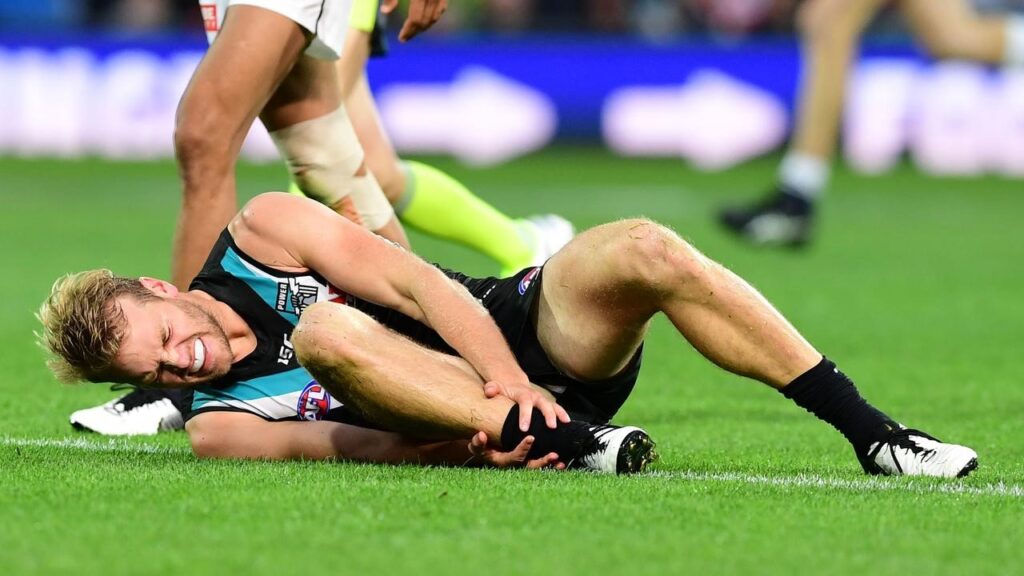
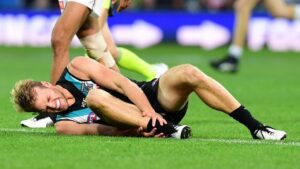
 Australian Rules Football (AFL) is a high-impact sport that demands physical prowess and agility from its players at all levels in all field positions. With constant running loads, sudden changes in direction, and intense physical contact, AFL athletes are susceptible to a range of injuries, particularly those affecting the lower extremities. On top of this junior athletes who are growing and pushing to impress, may be training at match intensity during the week due to school commitments and sometimes multi-sport or representative sport commitments all pushing their bodies and a critical growth phase. In the pursuit of peak performance and injury prevention, the expertise of a podiatrist becomes invaluable. This blog explores podiatrists‘ vital role in addressing AFL injuries as part of a team approach and its effect on enhancing the overall well-being of players.
Understanding AFL Injuries
AFL injuries often involve the lower limbs, with common issues including ankle sprains, shin splints, stress fractures, and plantar fasciitis. These injuries can significantly impact a player’s ability to perform at their best. They may lead to long-term consequences if not adequately addressed. As specialised foot and ankle healthcare professionals, podiatrists possess the knowledge and skills to diagnose and treat these conditions effectively while working as part of a multidisciplinary team.
Common AFL injuries we see as Podiatrists
Junior and Adolescent AFL Players:
- Osgoods Schlatters – Growing pain in the knee
- Sinding Larsen Johansson Syndrome – Growing pain in the knee
- Severs disease – Growing pain in the heel
- Shin Splints – Medial Tibial Stress Syndrome
- Ankle Sprain and Fractures
- Jumpers Knee – Patella Tendonopathy
Senior AFL Players
- Calf and Hamstring Tears
- Plantar Fasciitis and Heel Spurs
- Achilles Tendon pain (tendinopathy)
- Shin Splints – MTSS
- Ankle Sprains and Acute Fractures
- Forefoot Pain – Turf Toe and Greater toe pain
- Ankle impingement Anterior and Posterior
- Stress Fractures
Biomechanical Assessment
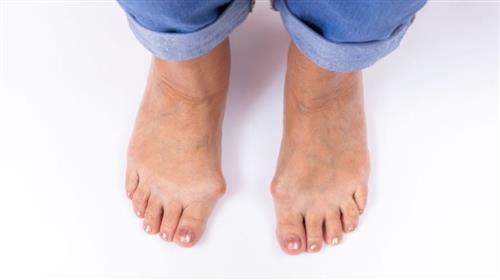
Podiatrists excel in conducting biomechanical assessments, a crucial step in understanding how a player’s foot structure and movement patterns may contribute to their susceptibility to injuries. By analysing gait, foot alignment, and joint movements, Podiatrists can identify biomechanical irregularities that may place excessive stress on specific areas of the foot or lower limbs during activity.
Common Assessment Processes
- Assess specific movement patterns based on the sport
- Assess structures between the lower back and feet
- Identify where the problem is stemming from
- Identify limitations or energy leaks
- Treat on the day and Plan ahead.
Common Interventions and Treatments
- Sports specific strapping and padding
- Footwear assessment
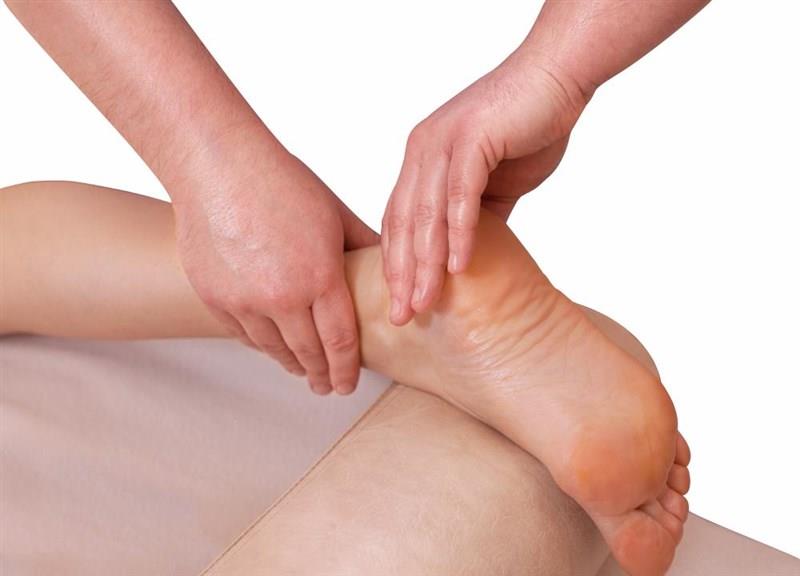
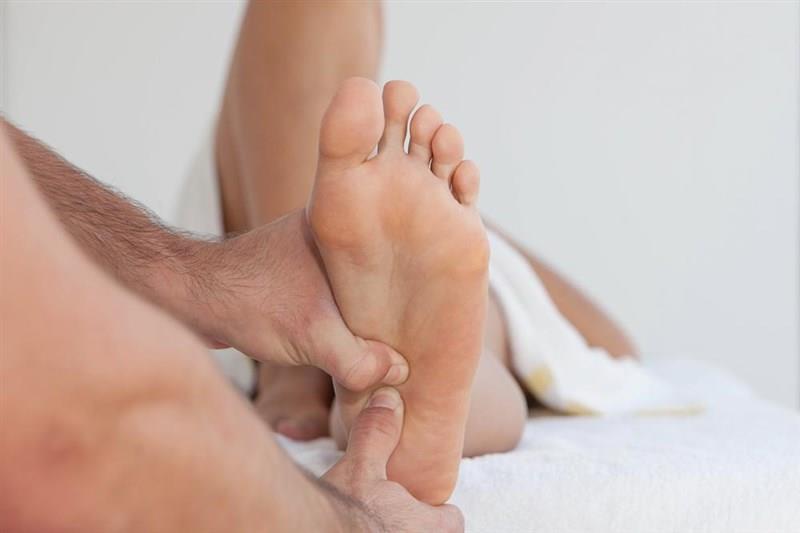
- Soft or Deep Tissue release
- Lower limb Dry Needling
- Balance and Strength Programming
- Running Analysis and Re-training
- PNF stretching and Joint Mobilisation
- In shoe wedging and modifications
Other Treatments we may use include
- Sports specific customised orthotics
- Kids only orthotics
- Joint adjustments
- Advanced Foot and Ankle rehabilitation
Custom Orthotics
One of the primary interventions podiatrists may recommend is custom orthotics. Orthotics are specially crafted insoles designed to correct and alter biomechanical imbalances and provide support where needed. For AFL players, custom orthotics can enhance foot stability, distribute pressure evenly, and reduce the risk of overuse injuries such as stress fractures and plantar fasciitis.
 Footwear Guidance
Suitable footwear is essential for AFL athletes on and off the field to optimise performance and minimize injury risk. Podiatrists can offer expert advice on selecting footwear that suits a player’s foot type, playing style, and the specific demands of the sport. Whether recommending boots with proper ankle support or ensuring the right fit, podiatrists are crucial in helping athletes make informed decisions about their footwear.
Joint Mobilisation for Improved Range of Motion
Due to the repetitive nature of the sport, AFL players often experience a limited range of motion in the joints of the foot & lower limbs. Podiatrists can employ joint mobilisation techniques to target specific joints in the foot and ankle, enhancing flexibility and ensuring that players have the necessary range of motion for activities like kicking, pivoting, and sprinting.
Injury Rehabilitation and Prevention
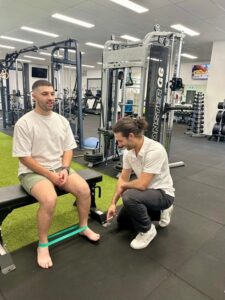 Podiatrists at Inertia Health Group understand that the complexity of AFL injuries goes beyond foot and ankle health. Therefore, collaboration with various healthcare professionals, including Physiotherapists, Sports Physicians, and Strength and Conditioning specialists, is crucial for a comprehensive understanding of a player’s overall health and performance.
In the unfortunate event of an athletic injury, while playing football, podiatrists seamlessly work hand-in-hand with their counterparts at Inertia Health Group, partnering with physiotherapists and exercise professionals to facilitate the most efficient and positive rehabilitation process possible. Podiatrists are crucial team members in designing targeted exercise programs to strengthen weak or affected muscles, improve flexibility, and promote optimal biomechanics. Beyond injury treatment, podiatrists contribute significantly to comprehensive injury prevention strategies, educating players on proper warm-up techniques, effective stretching routines, and the essential aspects of footwear maintenance. This collaborative approach ensures that players receive well-rounded care that addresses immediate injuries and focuses on long-term health and performance.
AFL-based Athletes rely on the health and functionality of their lower limbs for success on the field. Podiatrists play a pivotal role in diagnosing and treating AFL-related injuries and preventing them through biomechanical assessments, custom orthotics, joint mobilisation, and expert footwear guidance. By collaborating with podiatrists, AFL athletes can confidently step onto the field, knowing their lower limbs are well-supported and primed for peak performance.